




Table of Contents
- Brand Awareness From Top-Tier Placements
- Syndication Networks Can Turn One Nofollow Into Many Followed Links
- How Nofollow Links Still Support SEO Performance
- Nofollow Links Support a Healthier, More Natural Link Profile
- The Real Value Behind Nofollow Links
After working hard on your outreach and link-building strategy by researching contacts, refining your pitch, and finally landing a top-tier publisher placement, you did it. Then you check the HTML code and see it: rel=”nofollow” on your external link.
A nofollow link is a hyperlink where the publisher adds a nofollow attribute (a rel attribute) in the HTML tag or meta tag. It’s often something like <a href=”https://example.com” rel=”nofollow“> that is often applied automatically through CMS settings or plugins to signal that they aren’t treating the linked page as an editorial endorsement or passing PageRank in the traditional sense.
It’s a common moment of panic, especially for beginners who’ve been taught to chase dofollow links and higher search engine rankings. But a nofollow link isn’t “useless.” In many cases, it’s a sign you earned visibility on a major webpage that protects its outbound links, and that can still support your content marketing and SEO strategy in meaningful ways.
Brand Awareness From Top-Tier Placements
The fact is, a no-follow link from a top-tier publisher with millions of followers on social media is nothing to be upset about. In these cases, what you don’t get from a link, you gain tenfold in brand awareness, brand reputation, and long-term channel optimization.
Imagine placing a dream publisher like the New York Times or Buzzfeed. The New York Times has an X following of 52 million. Buzzfeed has a Facebook following of 13 million. Getting your brand media exposure in front of audiences that large can only make you more recognizable and trustworthy to your target audience.
The next time your customer is making a decision to purchase from you or your competitor, they’ll remember when they saw your name on Buzzfeed.
Syndication Networks Can Turn One Nofollow Into Many Followed Links
An increasing number of top-tier publishers automatically use nofollow links when linking to any external site. While they may not want to share their “link juice” with you through a high-DA dofollow, other websites and blogs may. In fact, they rely on these highly influential sites for their stories. These secondary sites make up a vast network of potential follow-link gains and exposure, including opportunities like guest post placements stemming from the original coverage.
One nofollow link from a top-tier publisher can result in dozens, even hundreds, of followed links gained through its influence. One Fractl client saw a 271% increase in organic traffic from an initial nofollow exclusive link on BuzzFeed. Other benefits to a nofollow link? An increase in referral traffic, social shares, and potential sales leads, as well as a more diverse link portfolio that Google’s algorithm won’t penalize.

Another bonus from these secondary sites? They typically require very little additional outreach on your end, thanks to their reliance on natural syndication for content. They are constantly looking at larger sites for stories that will drive engagement and boost traffic to their own channels, and these additional placements ultimately increase both metrics for your site as well.
With the right recipe, a nofollow link could be exactly what your content needs to reap the results you desire for your brand. The following two examples are campaigns that started as nofollow links and ended up becoming two of our highest-performing campaigns of all time.
Case Study #1: “Your Face as an Alcoholic” via Daily Mail
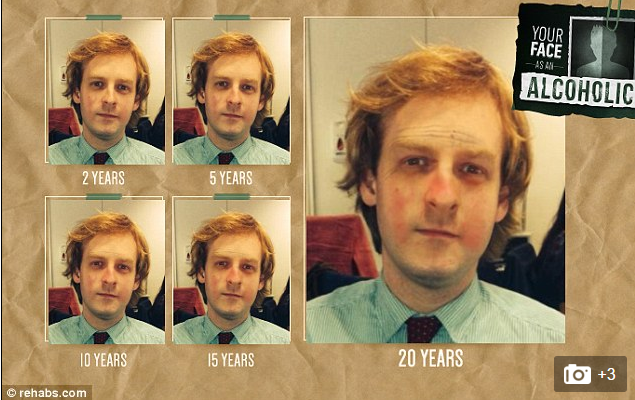
Our team promoted “Your Face as an Alcoholic” in October of 2014. The exclusive placement went live at Daily Mail in October 2014. DailyMail.com, as well as several other top-tier publishers, has a site-wide policy of attaching a nofollow to all external links, including ours.
The idea for this project stemmed from a successful viral idea we previously produced for the same client; that campaign visualized how crystal methamphetamine affects a person’s appearance over the course of several years.
This time, we decided to show the physical effects of long-term alcoholism. Alcohol’s bodily devastation is widely known and discussed, but our project offered an engaging way to express the experience on an individual level. The interactive also aligned closely with one of our client’s key messages: the negative impacts of drug abuse.
After placing on a Monday morning, the project quickly gained a lot of attention, earning the top spot (with a nofollow link) on Daily Mail’s homepage. From there, the project spread like wildfire across the web through natural syndication networks in a matter of days. The results were incredible:
- More than 900 stories, including features on The Huffington Post and New York Daily News
- Nearly 30% of the additional placements were dofollow links
- An impressive 14,368 social shares
Case Study #2: “Hotel Hygiene Exposed” via Yahoo
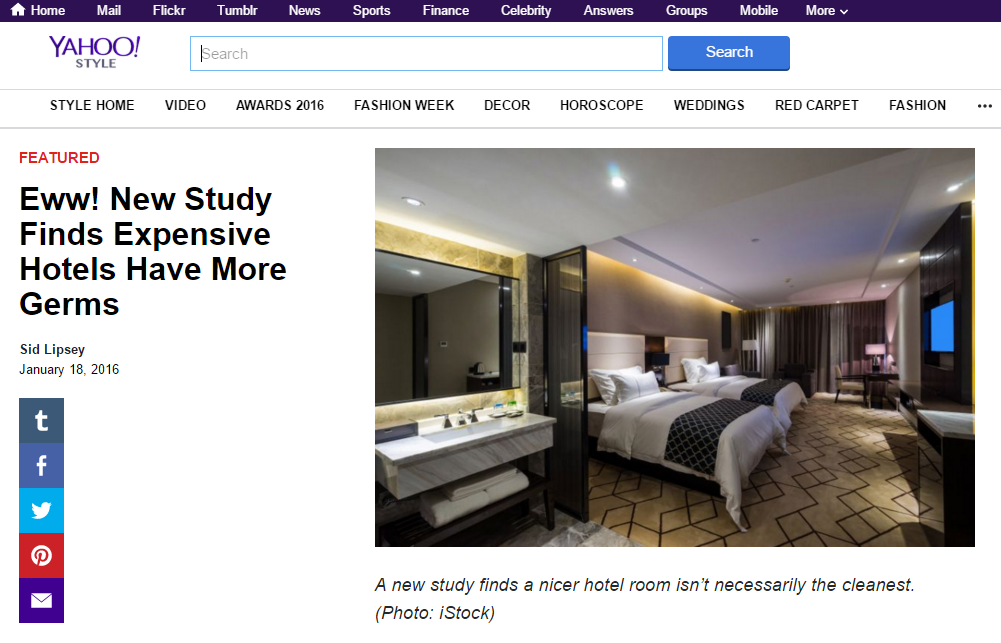
In the past, we produced a campaign for this client about airline cleanliness. It was massively successful, so we decided to try another take on the concept of travel and germs by comparing the cleanliness of luxury 5-star hotels to 3- and 4-star hotels.
This client was open to broad-appeal projects related to travel, and what better way to generate the next viral hit than by taking an already successful idea to the next level? The project’s goal: to dispel a commonly held belief that more money means a better travel experience.
This exclusive leveraged an existing publisher relationship, which was built through previous offerings of other top-quality travel projects with high potential for virality. Yahoo Travel published it in January 2016. Yahoo is another example of a high-tier publisher that routinely attaches the nofollow tag to all external links. Despite this, we saw incredible success. What started as a nofollow link ended up earning a ton of traction through natural syndication:
- More than 700 total pickups, including Today, Elle, Condé Nast Traveler, Travel + Leisure, and Business Insider
- Nearly a third of the new placements were dofollow links
- More than 23,000 social shares
How Nofollow Links Still Support SEO Performance
In the two case studies above, it’s clear that a single nofollow link isn’t something to dread. In both examples, the clients saw increased traffic to their websites and improved page ranking on Google. While a nofollow link may not directly pass PageRank, strong placements can spark syndication, followed backlinks, and a healthier link profile over time, especially when your content is genuinely shareable.
Here’s how nofollow links can still show up as wins in your SEO metrics:
- Discovery signals. Search engines can still use link attributes as hints for crawling and understanding how pages are connected, even when a nofollow attribute is present.
- Referral traffic. A nofollow backlink on a high-visibility webpage can drive qualified visitors to the linked page, particularly when the anchor text aligns with user intent.
- Indirect ranking lift via pickups. One nofollow placement can trigger secondary pickups that do pass authority, improving overall search engine rankings through earned dofollow links.
- Safer outbound link practices. Using rel attributes helps publishers label paid or user-generated links properly and reduces the risk that spammy or low-quality links cause SEO issues.
The more compelling and share-worthy your content is, the more likely it is to spread through pickup cycles across the web. Rather than pushing publishers for dofollow links and risking the relationship, content marketers can focus on creating high-quality stories that earn attention and let stronger backlinks happen naturally.
Nofollow Links Support a Healthier, More Natural Link Profile
A link profile made up entirely of dofollow links can look unnatural, especially if those links appear too quickly or come from similar sources. By contrast, nofollow links often come from places where links naturally exist but aren’t meant to act as endorsements, such as user-generated content, blog comments, forum posts, sponsored placements, or large publisher sites with strict outbound link policies.
From a technical SEO perspective, nofollow links help:
- Reflect real linking behavior. Natural backlink profiles include a mix of different types of links, including nofollow links, dofollow links, sponsored links, and rel=”ugc” links, mirroring how content is actually shared across the web.
- Reduce risk tied to low-quality links. When links originate from comment sections, forums, or user-generated content (areas often vulnerable to comment spam), nofollow attributes help signal that those hyperlinks shouldn’t pass authority, which protects sites from association with low-quality sources.
- Support safer paid and promotional campaigns. Using rel=”nofollow” or rel=”sponsored” on paid links helps webmasters comply with search engine guidelines and avoid potential Google penalties tied to improper link attribution.
The Real Value Behind Nofollow Links
Nofollow links may not pass PageRank directly, but they still support content marketing goals in meaningful ways. From boosting brand visibility on trusted publishers to driving referral traffic, triggering syndication, and supporting a natural backlink profile, nofollow placements often create momentum that leads to long-term SEO gains.
At Fractl, we believe the strongest results come from content that’s 10 times better than what’s already out there. Our team creates true 10x content through original research, thoughtful storytelling, and collaboration with expert designers and developers, so every placement, nofollow or not, contributes to lasting impact.
Want content that earns attention, links, and results? Get in touch with Fractl to see how our content marketing campaigns drive measurable growth.